
A week ago, the India and Pakistan returned from a brink after India launched the air strikes inside Pakistan on February 26. The 12 Indian jet fighters penetrated deep into Pakistan’s Khyber Pakhtunkhwa province and dropped several bombs over Juba Top claimed to have dismantled terror infrastructure of Jaish E Mohammad led by Moulana Masood Azhar.
Indian media claimed that in the training centre more than three hundred terrorists got killed among which many were being trained for suicide bombing. The strike by Indian Air Force triggered a massive outrage in Pakistan and forced latter to retaliate within 24 hours.
The Pakistan Air Force also entered into India’s air space in Nowshera sector and dropped few bombs in uninhabited areas to warn India of serious repercussions in case its sovereignty is violated.
The two arch rivals with nuclear capabilities have fought several wars so far and have continuously fighting a low scale conflict in Kashmir since 1947. The origin of the prevailing confrontation between the two sides is the Lethpora, Pulwama suicide attack that resulted into over 40 killings of Paramilitary CRPF personnel.
It was international pressure over the two countries that brought them back from brink. Pakistan released the captured wing commander Abhinandan who ejected from MiG-21 after it was shot down by Pakistan unconditionally and Prime Minister Imran Khan termed it a ‘peace gesture’ towards India, though India said that it was necessary for Pakistan to return him.
However, India is no mood of reconciliation with Pakistan and asked it to stop allowing terrorists use its soil against India. But Pakistan said that the Indian aggression towards Pakistan was a politically motivated move of BJP led government to divert the attention from basic issues ahead of elections, scheduled in May.
The international meddling, meanwhile, have thwart situation from worsening and both the countries have returned to normal though the apprehensions for further escalations are intact.
The influential British magazine, Economist apprehends that there might be rise in escalation between two countries and have asked the America and British to vacate its citizens immediately. Given to such reports the lull cannot be mistaken as peace and those countries who think that can spare themselves from any war between two countries are mistaken. This is giving more responsible role to the international community and mutual friends of India and Pakistan to get them on the talking table.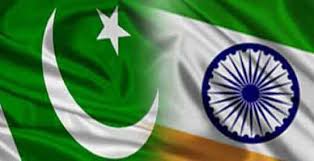
While India needs to maintain the restrain amid such situations to ensure the stability and peace in entire south Asia, the Pakistan has a greater role to play to tap on such elements inimical to peace. The war is unaffordable and the resolution to the prevailing issues is the only solution between two countries.
The neighboring countries have several wars fought indecisively so far and only yielded the losses, militarily, politically and economically. Further losses cannot be accepted for the greater interests of 1.5 billion people in two countries.
Both the countries have been fighting same challenges including poverty, hunger, and poor health care and education. The mutual cooperation against terrorism could work in a far sighted way for India and Pakistan. The Indian offer for mutual cooperation with Pakistan against terrorism shall be accepted by latter positively. Pakistan has been facing deep political and diplomatic isolation in the world for offering safe sanctuary to terrorist organizations and has crippled its economy. The mutual cooperation in technology, intelligence sharing could be of great help for Pakistan.
Indo-Pak have to think out of box and live as peaceful neighbours. Heading towards the war can only result into catastrophe in the region and if the region ushers towards peace only after war may have no one to witness.
India-Pak Need To Be On Talking Table
Date:




More like thisRelated
J&K Govt Suspends 8 Education Officials Over ‘Separatist Content’ in School Library Books; Inquiry Ordered

Srinagar: The Jammu and Kashmir Government has suspended eight...
LG appeals Amarnath Pilgrims to travel only after obtaining valid registration
Stressing that the ongoing Shri Amarnath Ji Yatra...
J&K BJP demands ban on ‘Personalities & Legends of J&K’, seeks removal from govt libraries
Leader of Opposition in the Jammu and Kashmir Legislative...