Shabir Ahmad Cultural Connect
Fasting is the one among the five pillars of Islam. And Ramadan is a month in the Islamic lunar calendar in which believers fast for entire 29 or 30 days. It is this month, as per Muslim belief, when the first verses of Quran were revealed to Prophet Mohammad (PBUH). Ramadan is also a month of charity and it is believed that rewards of generosity are multiplied in it.
In Kashmir, Ramadan is observed keeping in view not only its religious aspects but also its traditional and cultural connections too. Ramadan of yesteryears in Kashmir was more rooted in traditions and culture than what it is today.
Talk to older generation in Valley, they share the nostalgic tales about Ramadan being a cultural event at the same of being a religious obligation. An interesting things about how Ramadan was celebrated in their childhood days is always a fun to learn.
Bashir Ahmad, 76, of South Kashmir’s Kulgam district feels nostalgic of his childhood Ramadan days when his family used to welcome it with all heart. They used to wash clothes, clean their mud houses, utensils, almost everything only to purge their houses of evils and to be sanctified by the blessings of Ramadan.
When Ramadan moon was sighted then, the women would sing its arrival songs as the men would prepare themselves for Taraweeh (prolonged night prayers special of Ramadan).
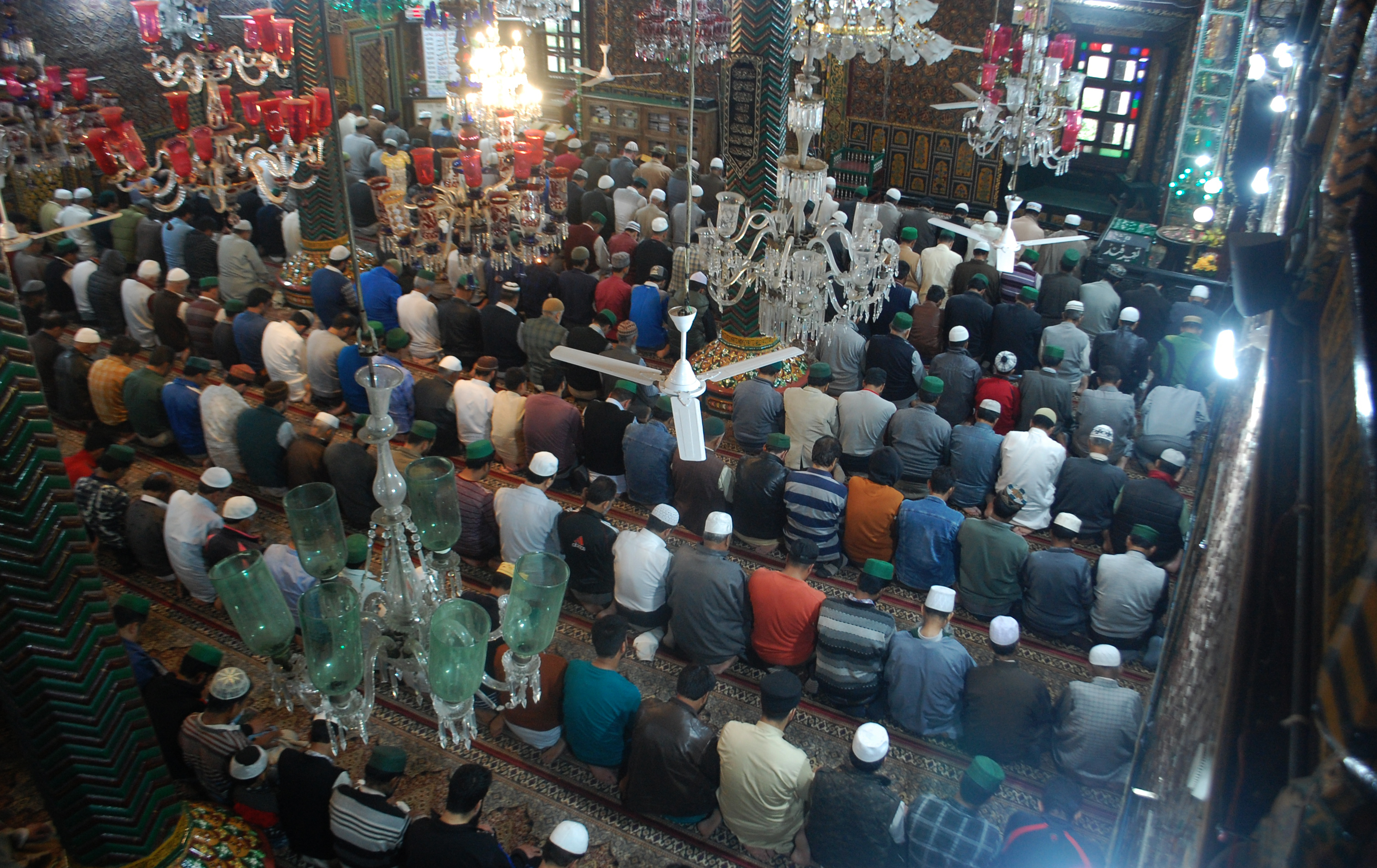
“As a child, I was always waiting Ramadan to come and still waiting its arrival. The Ramadan in our childhood would mean to us as something when we would be able to enjoy nice cuisines in the form of chicken, meat, curd etc and an onset of a musical Rouf when the women of my village used to rock the night with Ramadan songs after the Taraweeh prayers and as a child I used to be on the shoulder of my mother who was tying a hand knot with other woman and sing the songs,” Ahmad said.
The story of Ramadan was almost same in both villages and urban agglomerations of Kashmir till the militancy started in early 90s. “The time flies and the tradition fades,” he added. No more is Rouf being sung by rural Kashmiri women during Ramadan nights these days.
Despite the volatile security situation prevailing in Kashmir, and the technological onslaught, some traditions associated with the month of fasting are still intact. The “Sehar Khan” tradition of waking up people for sehri (pre-dawn breakfast) in Kashmir continues in many places, although it is losing its milieu.
Sehar Khan is popularly referred to a person who wakes up people for sehri using his drum beats. Every locality in Kashmir would have one Sehar Khan, who would be rewarded for his services on Eid. He commands great status in the society.
Some people, mostly the older generation, say that Ramadan in Kashmir now has not that charm as used to be in earlier days.
“We have every facility available now. The streets are full with dates, juices and what not but the taste has gone, ” said Mohammad Lateef of Srinagar downtown.
“I still remember that Basel seed in milk and water (called Babri Tresh in Kashmiri) had a taste of heaven and of elixir, and how much we as children used to love it. But now my children feel it as something of yesteryear’s dogmatic tradition. They don’t don’t like it, “he added. Basel seed milk shake continues to be served in mosques and homes to break the day’s fast along with fruits.
Mohamad Amin, a traditional Sufi says. “I am waiting for the day when we would again listen to those charming Ramadan Songs which was soothing to both mind and heart”.
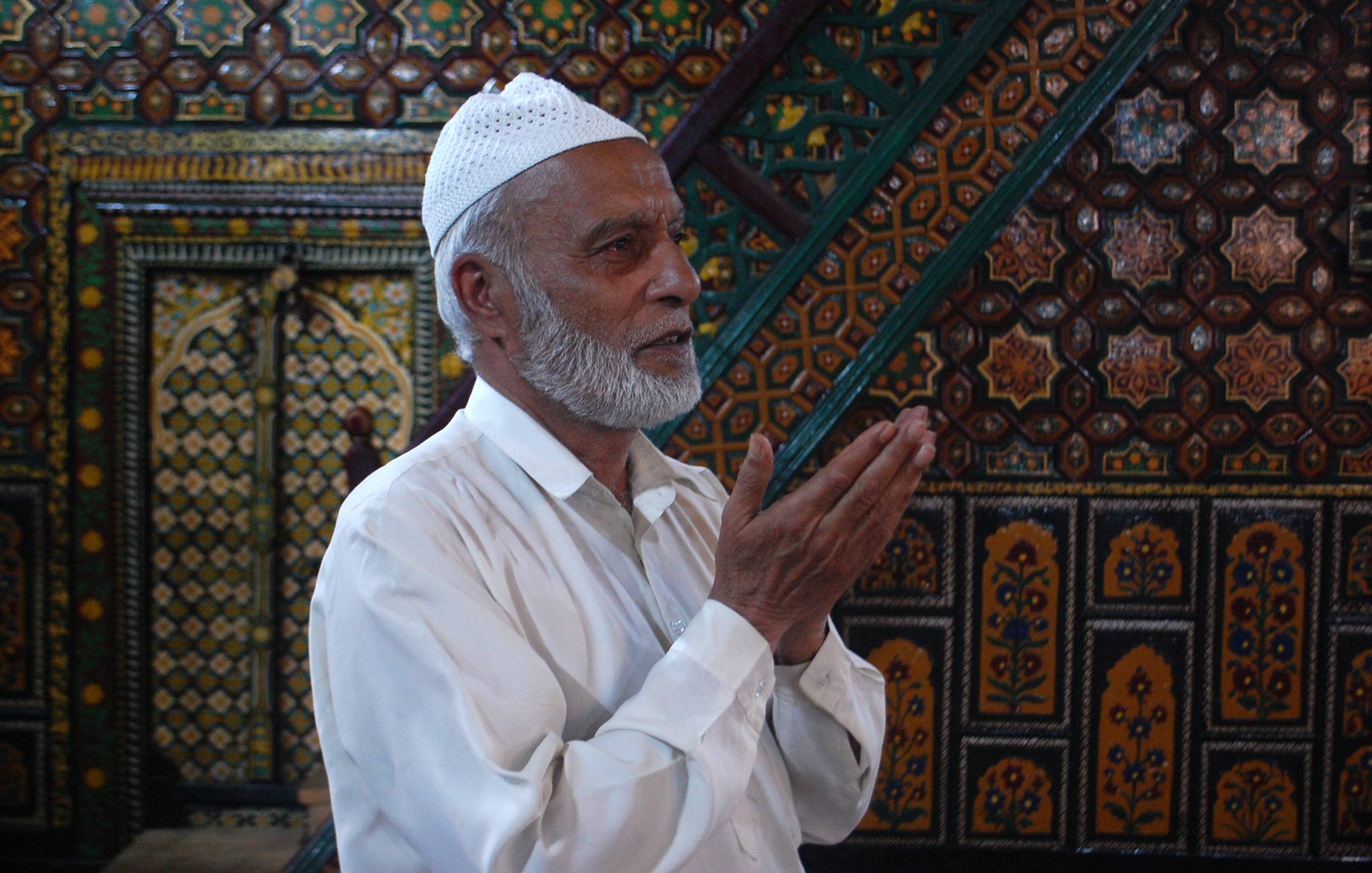
Month of blessings
For a large section of population in J&K state, the month of Ramadan is about blessings, about introspections, about purification and to observe restraint. It is a month that imposes discipline and proper behaviour, renounces aggression and violence, embraces human welfare, and all that without any external coercion.
Fasting is just one component; the essence of Ramadan is to try best to capacities and faculties to be good human beings. The humanitarian aspect, unfortunately, does not receive much attention as many people consider abstaining from food and water to be central to the idea of Ramadan or month of restraint and blessings.
It is a fact and not restricted to Kashmir or any particular Muslim nation, that in this month all provocations, intimidations or hostilities are minimized to significant levels and this lesson should perhaps be learned by governments also.