[embedyt] https://www.youtube.com/watch?v=_j3_I3a2gzY[/embedyt]
In the outskirts of Ranbir Singh Pura (RS Pura) town of Jammu district, a young man Pankaj Mahajan is basking in the sun outside his rice mill office. There’s anxiety and stress on his face.
“Till few years ago, we had a great business. Our mills were working round the clock but now business is down by half,” Pankaj tells The Legitimate.
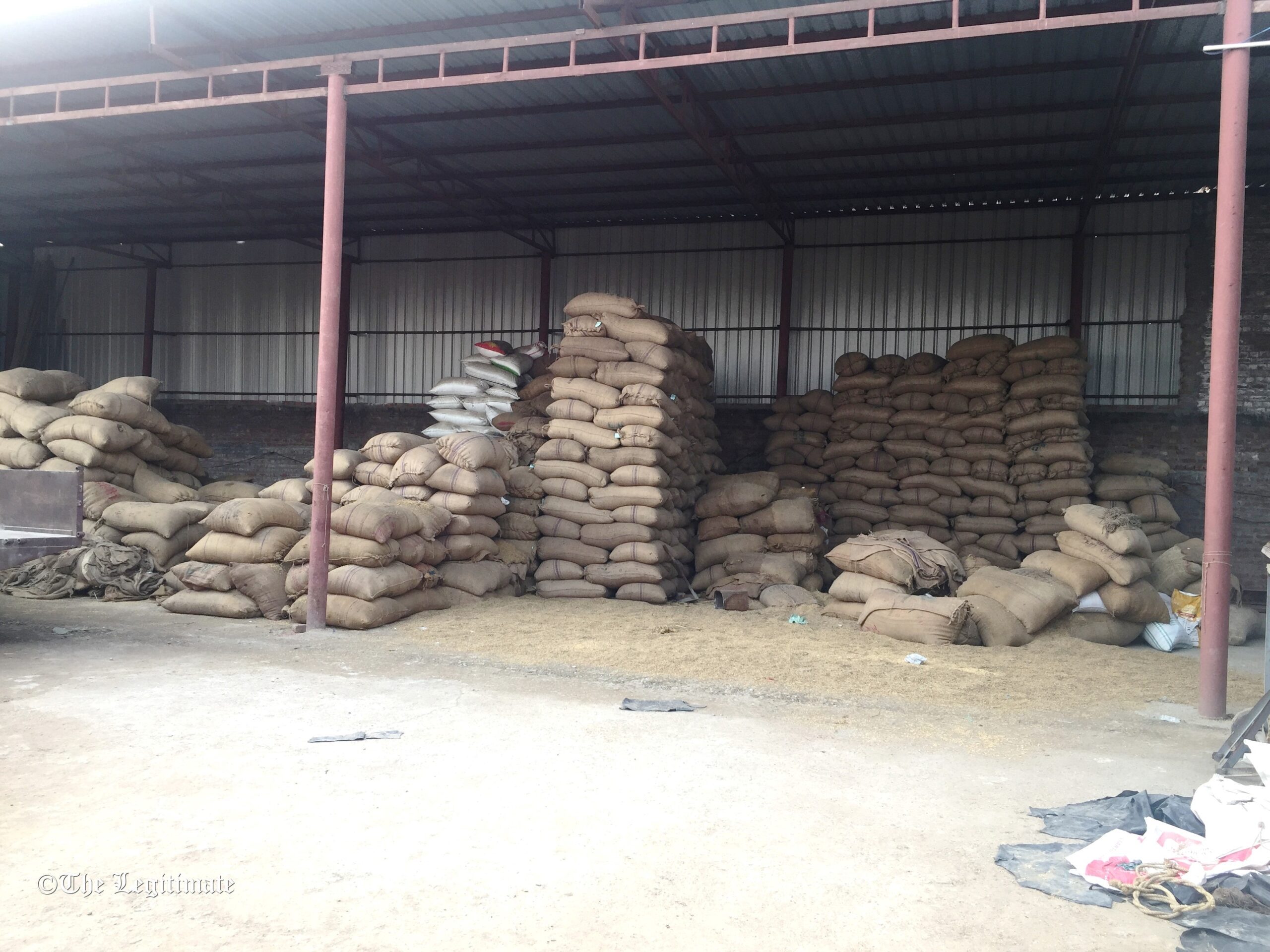
If the situation does not improve in coming times, along with Pankaj’s Jai Durga Rice and General Mills as many as 50 such mills operating in RS Pura region are likely to pull down their shutters. The mill owners claim that it is becoming increasingly difficult for them to meet the expenses owing to substantial fall in procurement of paddy.
The rice, cultivated in RS Pura on the international border with Pakistan from Sialkot side, is famous for its quality and fragrance. But it was never exported given the poor market strategy to tap its economic potential. Four years ago several MNCs started foraying into the RS Pura lands and began to lift the produce directly from farmers. This increased income of farmers manifold and gave a global prominence to the RS Pura Basmati, technically known as BASMATI 370 AND LOCALLY CALLED Ranbirpura BASMATI.
“For decades we have been exploited by local mill owners. They have a union and are fixing rates without consulting farmers,” says Dheeraj Sharma, a young farmer of RS Pura. “They fixed very low rates and defaulted on payments for years.”
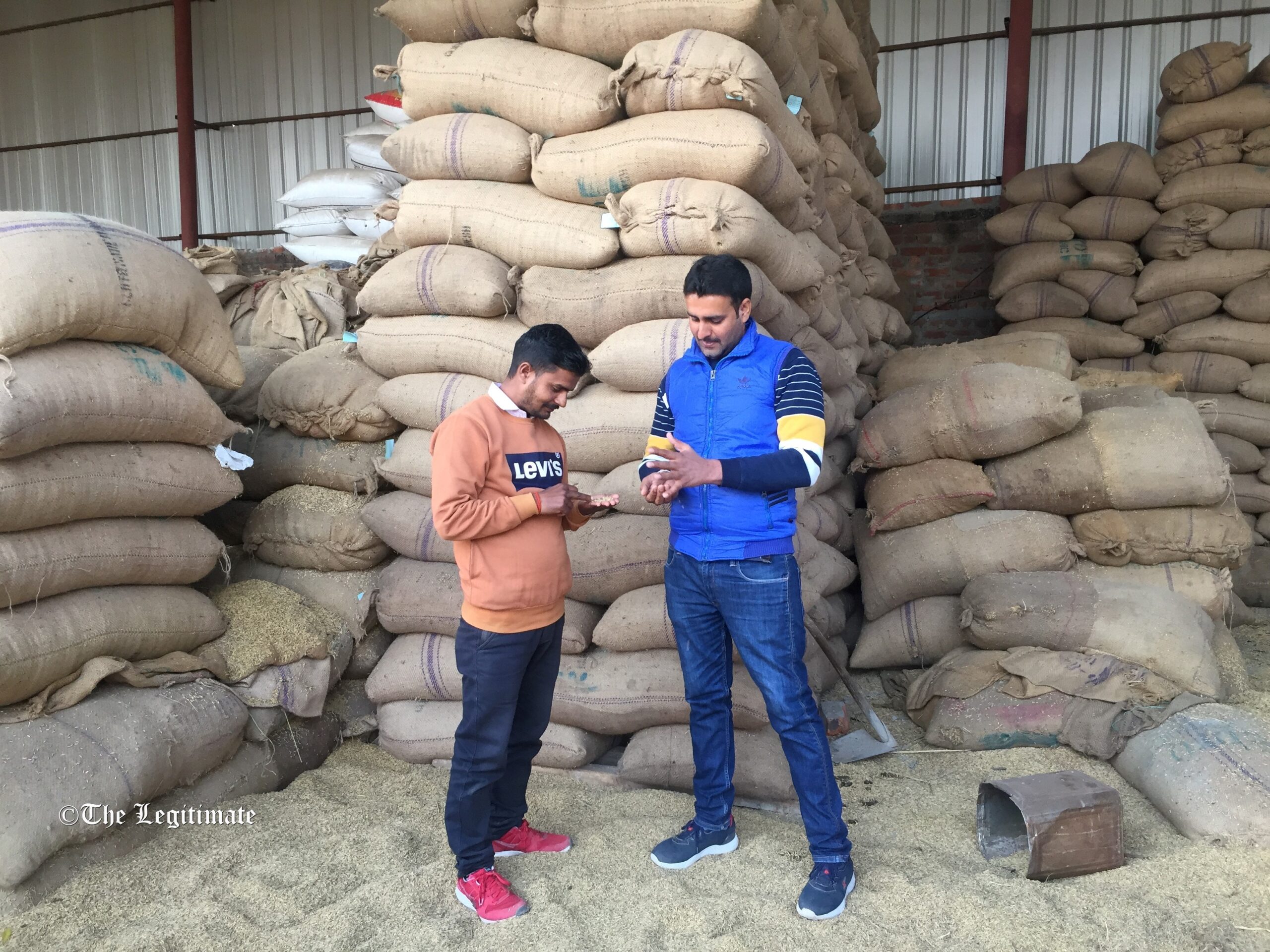
Dheeraj, is satisfactorily supplying his produce to Abro India Private Limited. He, however, has also become a trader who lifts the produce from farmers of his village and later supplies to the same company on commission basis.
“We receive the payments on time after contracting with the top companies. Besides there are also incentives and bonuses on every bag of crop,” he adds.
The mills operating in the area amply signify the changing marketing strategies of Basmati Rice. Almost all the mills are working in a single shift and for weeks sometimes remain closed.
“There is more than fifty per cent decline in our business in the last four years. Majority of the people prefer to sell their crops to outside companies. This has affected us all,” says Pankaj, a member of Federation of Rice Shelling Industries.
With RS Pura rice market opening to big business houses and companies like Abro India Pvt. Ltd, LT Foods, Sunstar Overseas, Niranjan Exports and KRBL directly establishing links with farmers, the federation is clueless about how to survive the competition.
“We are just waiting and watching to see how things turn up. How a small business unit likes us can compete with big industries which have directly entered into the rice fields promising good profits to the farmers,” Pankaj says, pointing out the weak side of his business.
In Jammu and Kashmir, RS Pura produces more than 10 lakh quintals of Basmati every year. But it failed to get global acceptance till a few years ago and was consumed in local and Delhi markets.
The local mills were supplying the produce to the Jammu region because of poor marketing. That resulted in low rates,” says Swaran Lal, a farmer from Suchetgarh village.
“Our produce — 370 Basmati — has now a global market and its fragrance is attracting customers from Middle East and European countries. 370 has become our identity now,” he adds.
Swaran says 85 per cent of land in RS Pura region is under paddy cultivation. It is sown in June-July and harvested around November. One hectare produces 32 quintals.
“Several decades back when the rice was prepared at our homes, the neighbours would come to know due to its fragrance that rice is being cooked. But after the green revolution in India started and free fertilizers were provided to farmers to yield maximum crop, it started losing the original flavor.”
Since the crop is being globally sold now and is fetching good prices, Swaran has set up a small company, Organic Dreams, to encourage organic farming in his village.
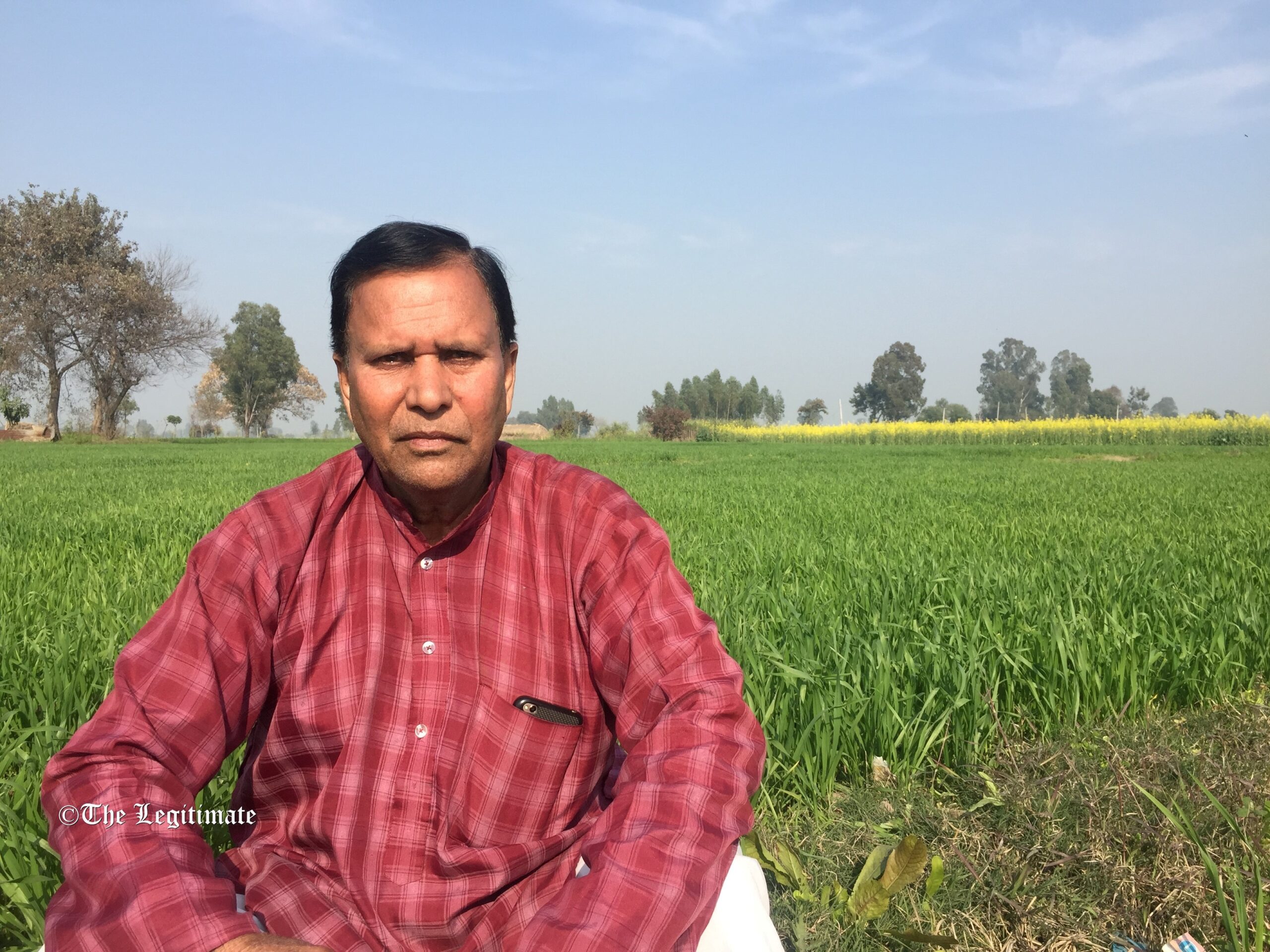
“If you sell in market, one quintal fetches around Rs 5,000. If you go the organic way, the rates go higher. So I am working to revive the organic methods of farming in my village to revive its original taste,” he says.
Swaran seems a step ahead of his fellow villagers. He is not entirely relying on companies to visit his village; he has put out his videos on social media and takes orders from anywhere in the world.
Companies have set up offices in villages. For farmers their representatives are just a call away.
“We are stationed here to assist farmers whenever they need. We offer free expert advice, teach them modern methods of farming and give them hope in times of distress,” says Shivam Tiwari, an official from Abro India Pvt Ltd, a Haryana-based agro company.
The companies even offer bonus to farmers. For each quintal, farmers get a bonus of Rs 100. Some farmers enter into contract with these companies. These are locally called projects. Farmers who join a project are entitled to free trade benefits amounting to 10 per cent of grain cost.
Project is a scheme in which companies form groups of farmers. Foreign customers pay 10 percent of their purchases as donation to farmers in project. “The more the produce, the more donations farmers get,” Shivam says.
Jammu and Kashmir does not have the mandi system. This has made it easier for farmers to enter into contracts with MNCs. These companies assist farmers from the beginning of the crop so that quality and quantity is not compromised.
“Almost all the farmers raise cattle. We ensure that farmers use dung and urine of cattle with scientific methods as fertilizers. It minimizes the costs and ensures quality crop,” Shivam concludes.